Small-batch · Cold-process · Direct to you
Natural bar soap, handmade in small batches, with nothing to hide
Every bar is cold-process crafted from plant-based oils and botanicals, with the full ingredient list printed plainly so you know what touches your skin.
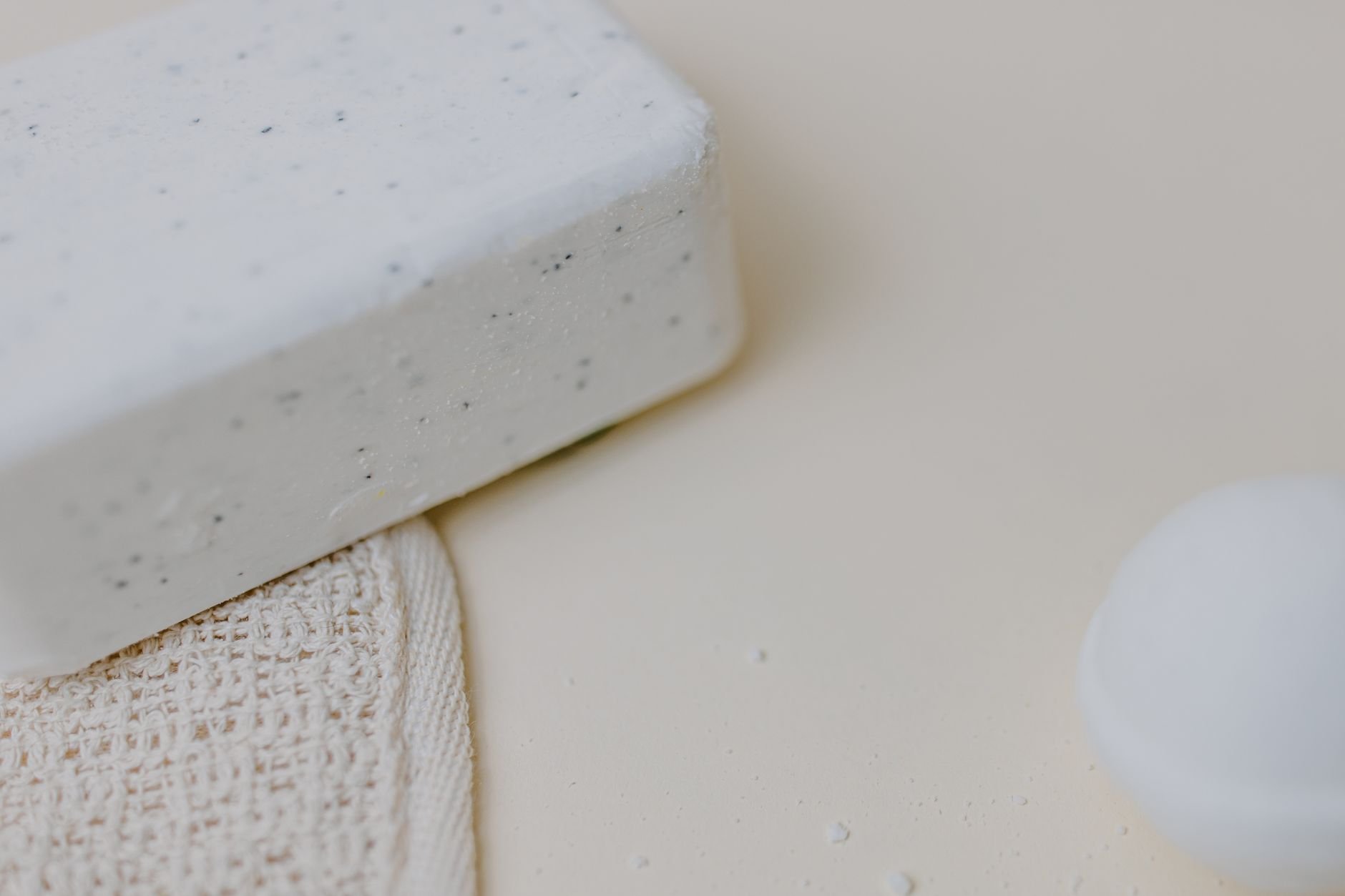
Our Promise
Full ingredient transparency on every bar. Plant oils, botanicals, and nothing else.
What Fernhollow Makes
Soap made from plants.
Sold to people who check the label.
Fernhollow makes cold-process bar soap in small batches using plant-based oils — olive, coconut, and castor among them — plus dried botanicals for color and scent. No synthetic fragrances. No detergent fillers. No ingredient you need a chemistry degree to pronounce.
Because we sell direct, you hear from the people who made it. Every bar ships with a printed ingredient card so the full list is always in front of you — not buried on a website page.
Cold-process method
Saponification happens slowly at room temperature, which preserves the natural glycerin that softens skin — unlike commercial detergent bars that strip it out.
Plant-based oils only
Olive oil for a silky lather, coconut oil for cleansing lift, castor oil for bubbles that last. Each oil is chosen for what it does on skin, not for cost.
Full ingredient list, always
Every listing names every ingredient. We list the INCI botanical name alongside the plain English name, so you can look it up, share it with your dermatologist, or just know what you're buying.
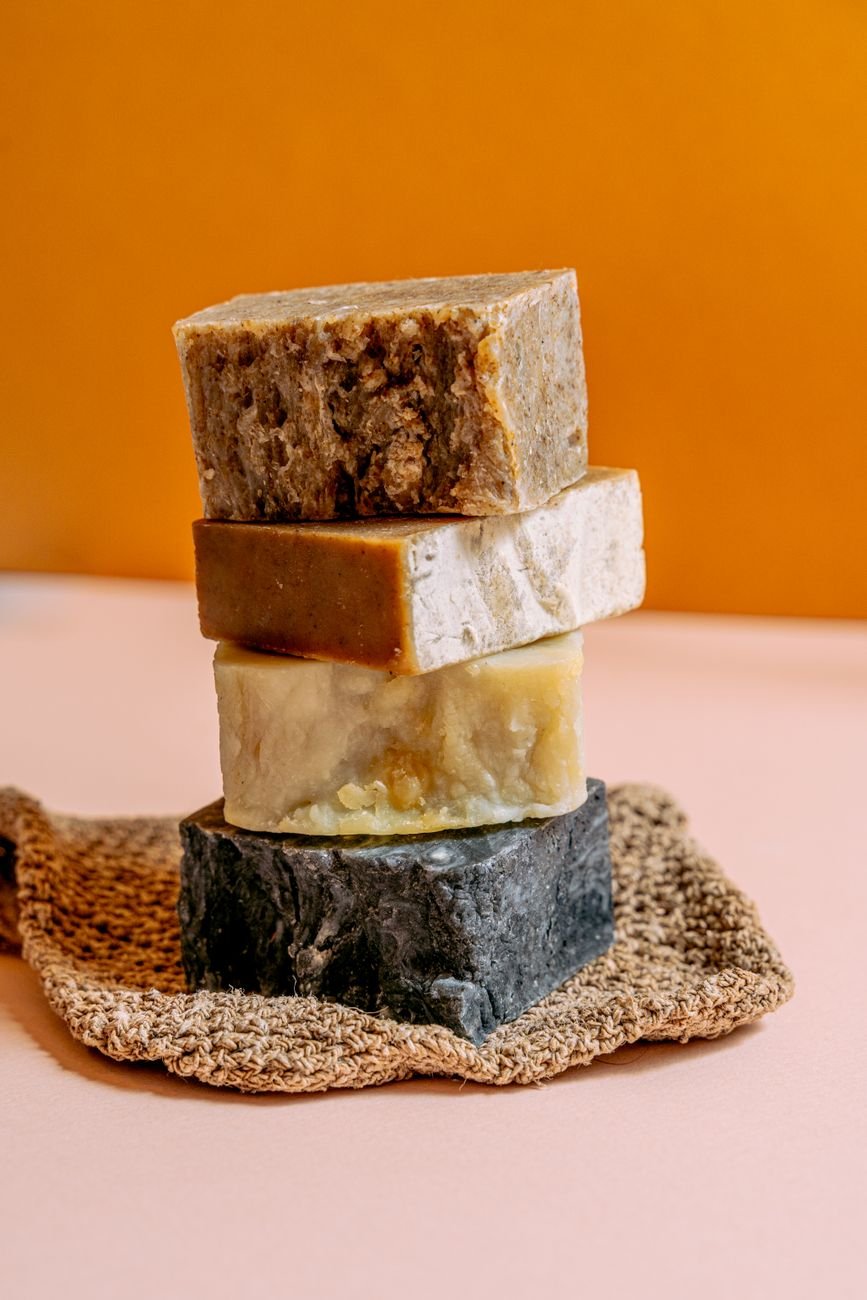
Made to Last
Cured the slow way, so it lasts longer on your shelf
After saponification, each bar rests on a wooden rack for four to six weeks. Water evaporates. The bar hardens. The lather becomes creamier, the bar firmer, and the soap gentler on skin because the pH has time to settle.
A bar that is rushed to shelf is a bar that dissolves in a week and feels sharp on sensitive skin. We do not rush.
What's in a bar
- Olive oil (Olea europaea)
- Coconut oil (Cocos nucifera)
- Castor oil (Ricinus communis)
- Lye (sodium hydroxide) — fully reacted, none remains
- Dried botanicals — varies by bar, always listed
For Sensitive Skin
No synthetic fragrance. No SLS. Nothing your skin does not need.
Most commercial soap bars are technically detergent bars — they contain sodium lauryl sulfate, synthetic binding agents, and artificial fragrance to standardize the scent across millions of units. The result strips your skin's natural oils faster than you can replace them.
Fernhollow bars are real soap, made the way soap was made before the industrial shortcut. Scented only with essential oils or unscented entirely. No fragrance code on the ingredient list. No surprises.
Who reaches for Fernhollow
If your skin reacts to most soaps
No synthetic fragrance or sulfates to trigger a flare-up. The ingredient list is short enough to cross-reference with your dermatologist.
If you're buying a gift you can stand behind
A bar you can hand to someone and say exactly what's in it — that is a different kind of gift than something in a fancy tin.
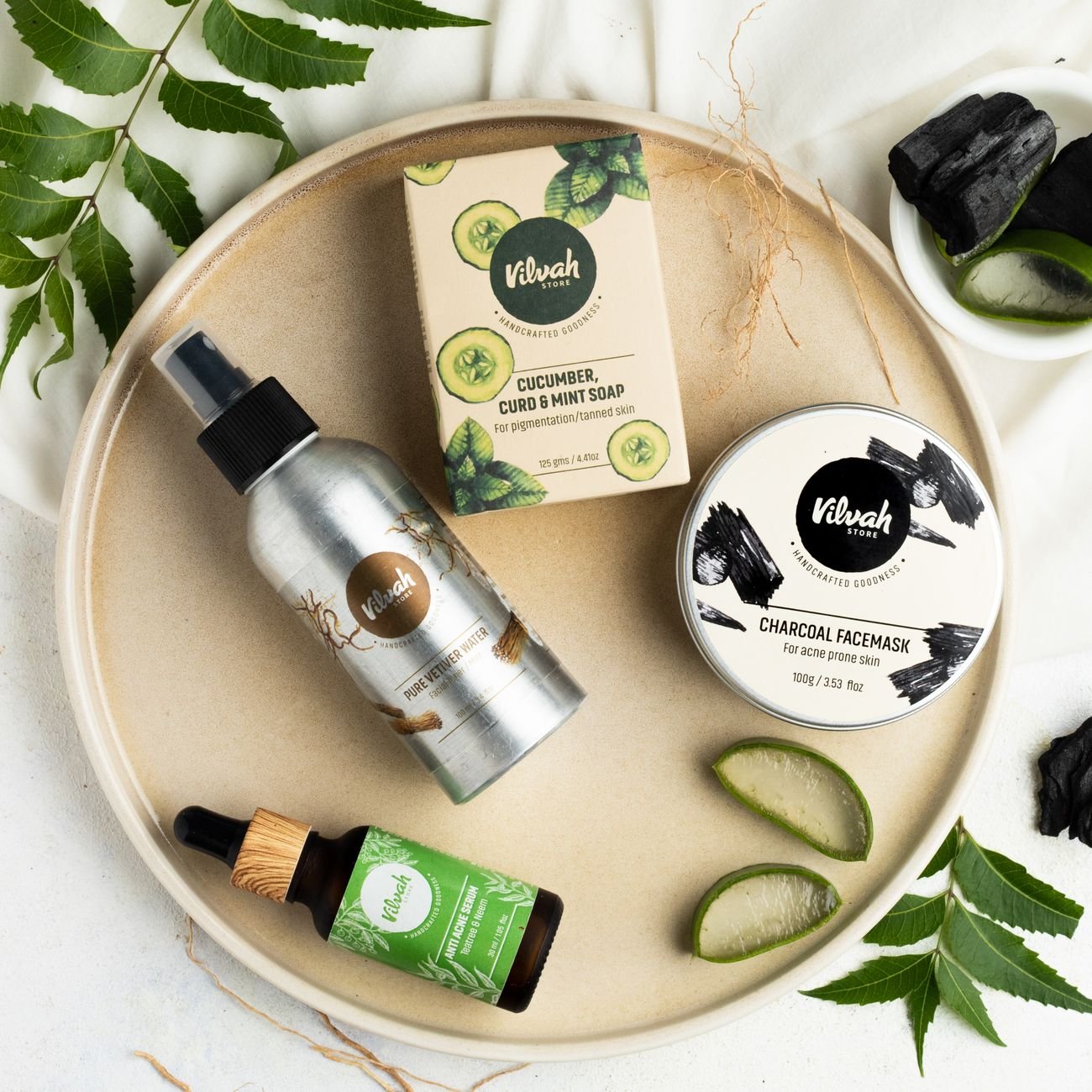
Ingredient Transparency
Every ingredient, named plainly
The full ingredient list for every bar lives on its product page. Nothing abbreviated. Nothing hidden in a fragrance code. What you read is what goes on your skin.
If an ingredient sounds unfamiliar, look it up. We expect you to.
How It's Made
The cold-process method, step by step
Cold-process soapmaking is slow chemistry done at room temperature. Here is exactly what happens between raw oils and the bar that arrives at your door.
Oils are weighed and warmed
Each batch starts by weighing the oils to the gram. The solid oils — coconut, shea — are melted gently. The liquid oils are measured separately. Accuracy here matters: the lye calculation is precise, and the oil ratio determines the bar's final feel.
Lye solution is made
Sodium hydroxide is dissolved into distilled water. The reaction is exothermic — the solution gets very hot, very fast. It cools to around 100°F before it meets the oils. Lye sounds alarming. It is necessary chemistry: without it, you have a bucket of oil, not soap.
Oils and lye are combined (trace)
The cooled lye solution meets the oils. A stick blender emulsifies the mixture until it reaches trace — the point where the batter is thick enough to hold a drizzle on its surface. Colorants, botanicals, and essential oils go in at trace.
Poured into molds and rested
The batter is poured into lined wooden molds and covered to retain heat. Saponification continues for 24-48 hours inside the mold. The bars are then cut and moved to curing racks.
Cured for 4–6 weeks
This is the part most commercial producers skip. The bars rest on open wooden racks, losing water gradually. A longer cure means a harder bar, a milder pH, and a lather that feels nothing like a freshly cut bar. We test pH before any bar ships.
The Difference
Mass-market soap vs. cold-process soap, honestly compared
Most soap on a drugstore shelf is not technically soap. Here is what that means.
Read the label on your current soap bar. Then read ours.
Honest Answers
Questions people actually ask
Is lye safe in cold-process soap?
Yes. Lye (sodium hydroxide) is required for saponification — the chemical reaction that turns oils into soap. In the finished bar, the lye has fully reacted with the oils and none remains. What you get is a salt — soap — not a caustic substance. Every cold-process soap, including artisan and commercial varieties, is made with lye.
How is cold-process soap different from what's on drugstore shelves?
Most bars sold as 'soap' in drugstores are technically syndets — synthetic detergent bars made with surfactants like sodium lauryl sulfate, not saponified plant oils. They are cheaper to manufacture and have a longer shelf life, but they strip skin oils more aggressively. Cold-process soap retains natural glycerin, which commercial manufacturers typically extract and sell separately.
Will Fernhollow soap work for sensitive or dry skin?
Many people with sensitive or dry skin find cold-process soap gentler than commercial bars, because it contains no synthetic fragrance and retains natural glycerin. That said, every skin is different. Our unscented bars have the shortest ingredient list and are the best starting point if your skin reacts to most soaps. Read the ingredient list for any bar before you order — it is always posted in full.
Can I see the full ingredient list before I buy?
Yes, always. Every product page lists every ingredient by its common name and its INCI botanical name, in order of predominance as required by the FDA. The same list is printed on a card inside every package. There is no 'fragrance' entry that hides undisclosed compounds — if there is a scent, the essential oil or plant extract that creates it is named.
Why do the bars cure for 4–6 weeks?
Freshly made cold-process soap is technically soap from the moment saponification completes, but it is still high in water content, softer, and has a higher pH than a well-cured bar. During the cure, water evaporates slowly from the bars as they rest on open wooden racks. The result is a harder, milder, longer-lasting bar. We test pH before any bar ships.
What is the shelf life of a Fernhollow bar?
Kept dry between uses and stored out of direct sunlight, a Fernhollow bar will last 12–18 months from the date it was made. Each bar is stamped with its batch date. Bars with higher olive oil content may develop a thin layer of soda ash — a harmless white powder that can be rinsed off. It does not affect performance.
Get in Touch
Have a question about our soap or ingredients?
We answer questions about our process, ingredients, and bars directly — not through an automated response. Send us a message and we will get back to you.
We can help with
- Questions about specific ingredients or allergens
- Recommendations for sensitive or dry skin
- Gift orders and custom quantities
- Wholesale and retail inquiries